Synthetic Data
synthetic data
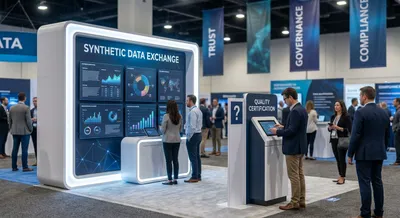
Synthetic Data Marketplaces: Trust, Quality, and Certification Gaps
Real-world experience highlights these gaps. Independent evaluations find that synthetic data often fails to capture complex patterns. For example, a...
Synthetic Data
Synthetic data is information that is artificially generated by computer programs rather than collected from real-world events or people. It imitates the patterns, structures, and relationships found in real datasets so it can be used for testing, training machine learning models, and developing new products. Common methods to create synthetic data include statistical models, simulations, and modern techniques like generative machine learning models. Because it does not contain actual personal details, synthetic data can help protect privacy and reduce the legal and ethical risks that come with using real customer records. It is often faster and cheaper to generate than collecting large, labeled real datasets, especially for rare events or edge cases. However, synthetic data matters not just because it is convenient; it also affects the quality and fairness of analyses and models that rely on it. If the synthetic data do not accurately reflect important patterns in the real world, models trained on them can make poor or biased decisions. So teams that use synthetic data need ways to measure how realistic and unbiased the generated data are, and to update generation methods when they fall short. Synthetic data can also be combined with real data to improve model performance and safety, creating a balance between privacy and realism. Overall, synthetic data are a powerful tool for innovation, testing, and privacy protection when their limits and quality are properly managed.
See what AI users want before you build
Get Founder Insights on AI Agent Store — real visitor demand signals, early adopter goals, and conversion analytics to help you validate ideas and prioritize features faster.
Get Founder InsightsGet new founder research before everyone else
Subscribe for new articles and podcast episodes on market gaps, product opportunities, demand signals, and what founders should build next.